
Difference Between Heap and Stack
What I Read Today - 4

During my data structure and algorithms class in university, the topic of both Stacks and Heaps could be tricky in the sense of not knowing exactly when to use one or the other. It was even more confusing when doing the exercises, exams, and assignments entirely on paper. Yet, I survived, and today I read a refresher on the difference between the two in the hopes to write someting that helps someone else out later on. Let’s dig in.
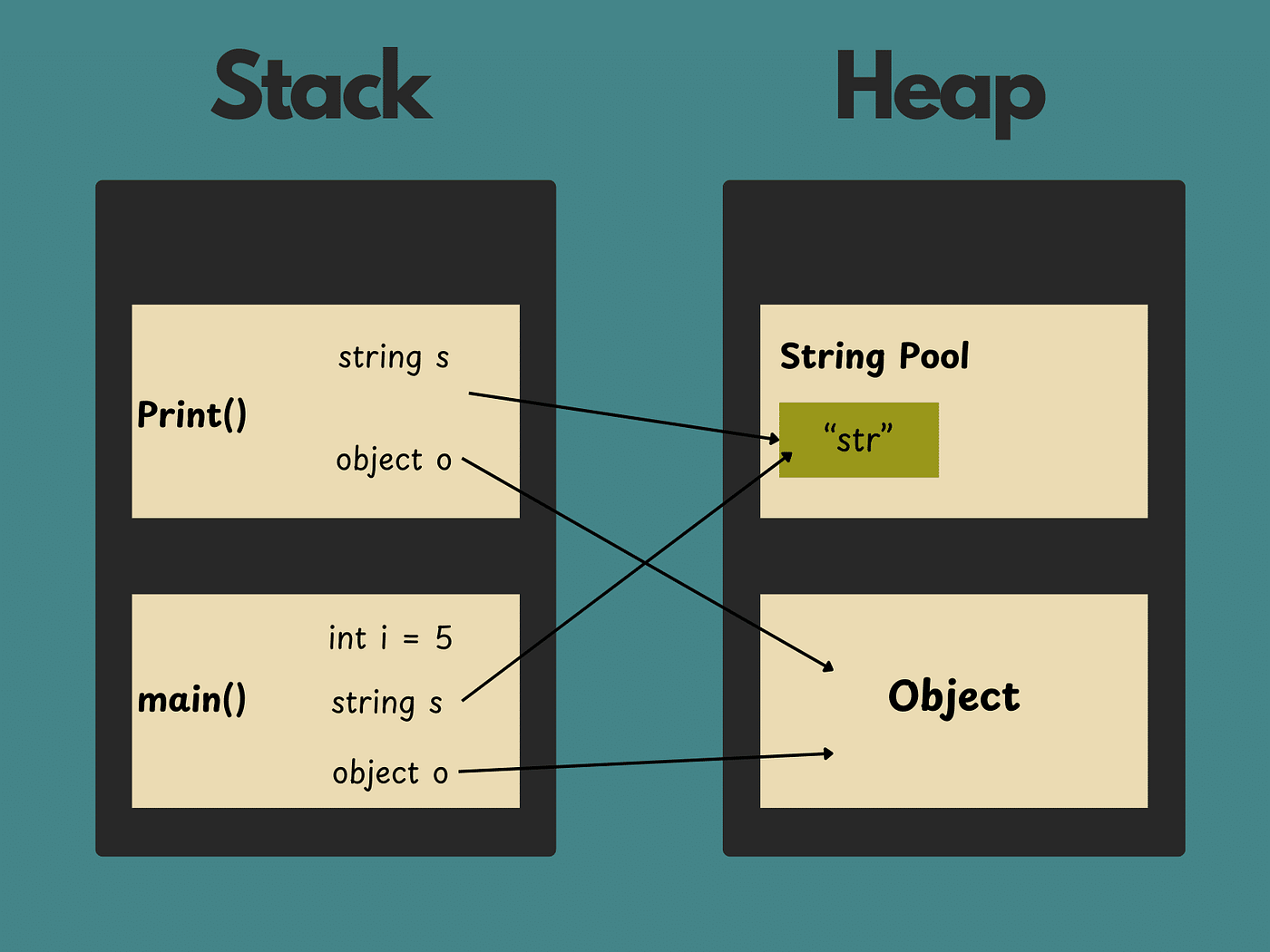
Stack
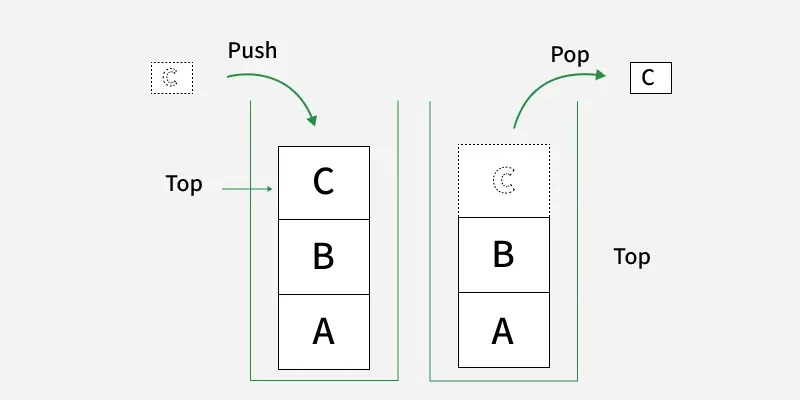
A stack is a data structure that stores temporary variables that are created by a function. Variables are created and then stored and initialized on the stack during runtime. You may also be familiar with the concept of “Last-in, First-Out” (LIFO), where one can insert (push) or delete (pop), which occurs only at the top. Some use cases of a asstack include: calling functions, backtracking algorithms, and undo/redo operations.
Heap
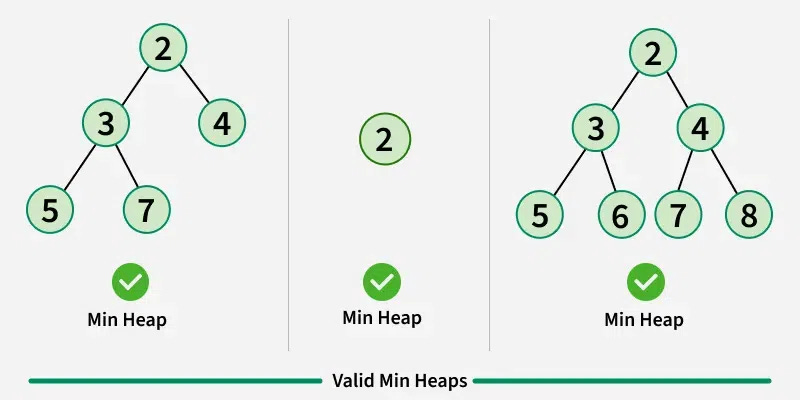
A heap is a tree-based data structure where the tree is a complete binary tree. What do we know about binary trees? They are a pain in the ass to learn about, and a heap with N nodes has a log N height. This makes it useful to remove highet or lowest priority elements, and a heap is usually depicted as an array. Use cases include: Priority queues, networking, sorting algorithms (heapsort), and finding the Kth smallest/largest element.
When to use and not use
Use the stack when you need fast, predictable, short-lived memory with clear ownership and a lifetime that is tied to the scope. Function call frames, local variables, recursion state, and temporary values belong on the stack. Stack allocation is deterministic, very cheap, cache-friendly, and automatically cleaned up when execution leaves scope.
Do not use the stack when data must outlive the current scope, when size is not known at compile time, or when the data is large enough to risk stack overflow.
Use the heap when data needs to live beyond the current scope, be shared across components, resized dynamically, or managed independently of call flow. Objects with long lifetimes, complex data structures like graphs and trees, large buffers, and anything requiring runtime-sized allocation belong on the heap.
Do not use the heap for short-lived temporaries, tight loops, or performance-critical paths where allocation and garbage collection or manual freeing overhead would dominate.
My use
Practically, I haven’t implemented my own stacks or heaps much outside of LeetCode. However, understanding how they work is crucial to understanding issues you may end up being faced with. Thanks for reading! If you’re interested in learning more, read what I read today!
What I Read Today: